Advantages of Laser Marking Compared to Engraving and Etching
1.Non-contact process and excellent quality
The fundamental difference between laser marking and mechanical engraving and chemical etching is that there is no physical contact between the tool and the machined surface. The laser beam marks remotely, eliminating any mechanical stress, material deformation, or microscopic damage. This is essential for handling thin-walled, fragile, or micro-parts such as medical devices, electronic components (chips, PCBs), and precision machinery, where even the smallest force can lead to scrap. Unlike chemical etching, which can lead to uneven etching and corrosion, lasers ensure absolutely stable and reproducible quality on each product. Thanks to computer control, unparalleled precision (up to a few microns) is possible, enabling the creation of complex microscopic images, barcodes, and text that are not possible with traditional methods. The surface around the mark remains perfectly smooth without the need for subsequent cleanup of debris or chemical residues.
2.Environmental protection, economy and operational efficiency
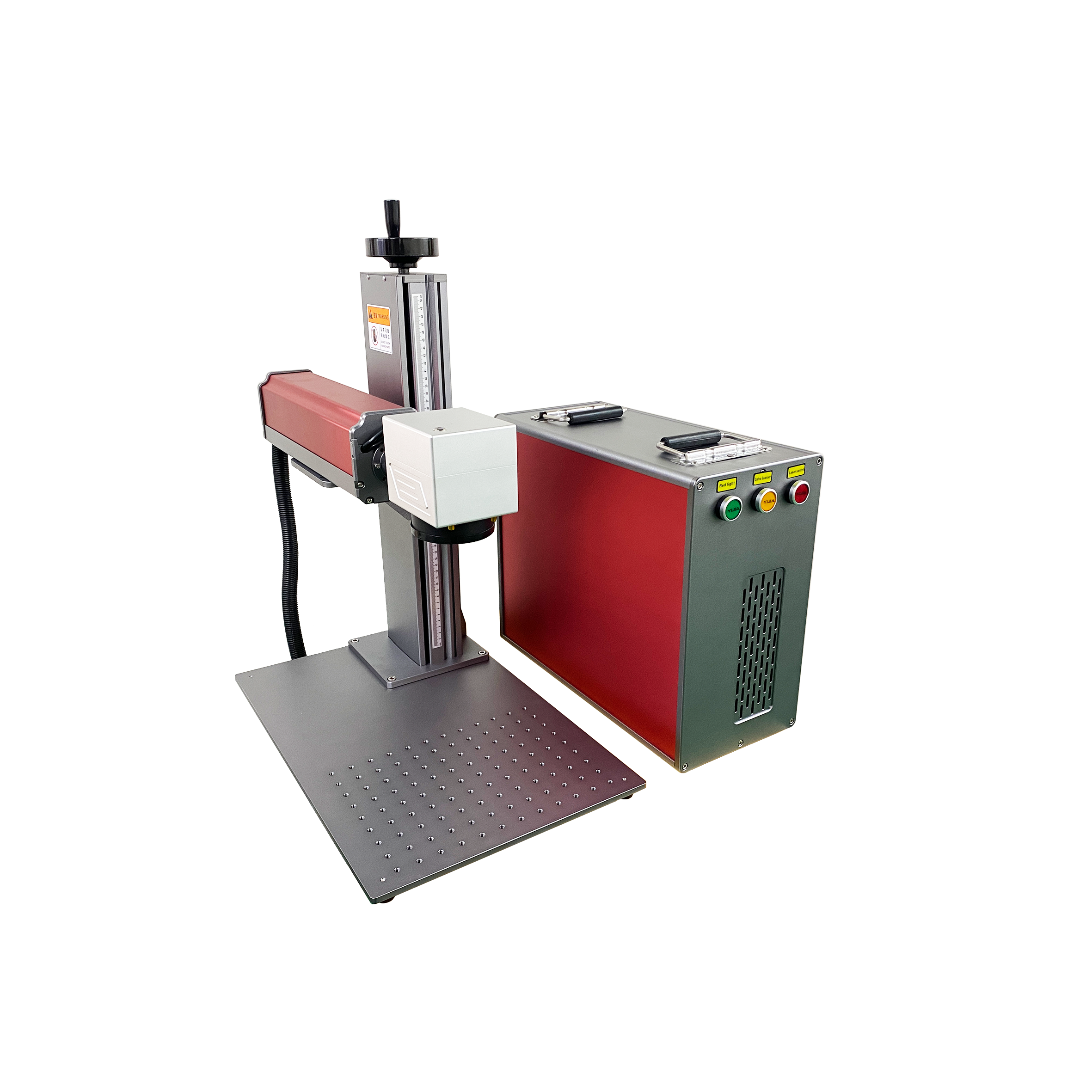
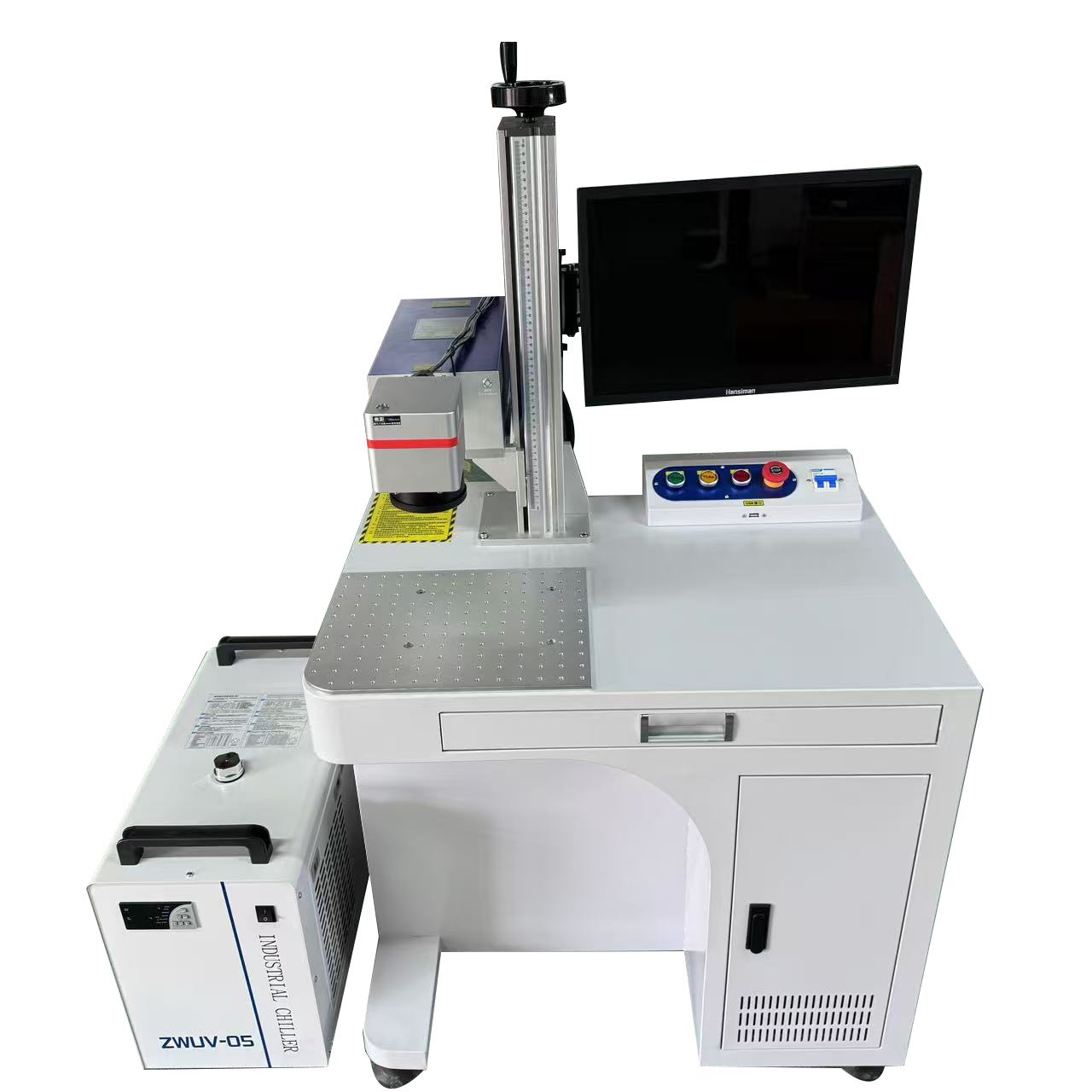
Laser marking is the most environmentally friendly and economical of the three processes. Mechanical engraving requires regular replacement of physically worn tools (milling cutters, cutters), which leads to ongoing consumables costs and equipment downtime for tool replacement. Chemical etching involves the use of aggressive and dangerous chemical agents (acids, alkalis) and requires expensive subsequent treatments, poses risks to operator health, and requires complex ventilation and wastewater treatment systems. The laser marking machine consumes only electrical energy and does not require any consumables. Its total cost of ownership (TCO) is much lower in the long run. In terms of operational efficiency, lasers win due to their extremely high speed (thousands of characters per second), the ability to switch between different marking programs on the fly, and the full automation of the process. For the marking of serial numbers or QR codes, the laser system can work directly with the database, eliminating the human factor and errors inherent in the manual setting of the engraving machine or the preparation of the etch template.
3.Versatility, durability, and standard compliance
Laser marking machines showcase unparalleled versatility. The same device is capable of clearly marking metals (steel, aluminum, titanium), plastics, ceramics, glass and many other materials by simply changing the parameters in the program. Mechanical engraving is often limited to the type of material that can be handled (fragile materials can break), while chemical etching has strict specificity for each material and alloy. The durability and stability of laser marking are unmatched. Marking is achieved by altering the surface structure (ablation, foaming, discoloration), is non-erasable and resistant to abrasion, high temperatures, oil stains and corrosive environments. This is essential for industrial marking, track & trace, and security marking in industries such as aerospace, automotive, and medical. In addition, laser technology fully complies with the strictest international and British industry standards (BS, ISO) in terms of cleanliness, reproducibility and readability of marking, opening the door for products to enter the most demanding markets.
4.Conclusion: Strategic Choices for Modern Production
Comparative analysis clearly indicates that laser marking outperforms mechanical engraving and chemical etching in all key parameters: quality, speed, versatility, environmental friendliness, and overall economic efficiency. For British industrial enterprises committed to enhancing competitiveness, achieving process automation, and meeting high standards, transitioning to laser marking technology is not merely an upgrade, but a strategic necessity. It is an investment in stable, clean, high-tech, and predictable production, the benefits of which will be reflected throughout the product’s entire lifecycle.
5.Future Outlook for Laser Marking in British Industry
As the UK continues to position itself as a leader in advanced manufacturing, laser marking is set to play an even more pivotal role in shaping the future of production. With the rise of Industry 4.0 and smart factories, laser marking systems are increasingly integrated with IoT (Internet of Things) technologies, enabling real-time data collection, remote monitoring, and predictive maintenance. This connectivity not only enhances operational efficiency but also provides valuable insights into production workflows, helping British manufacturers optimize processes and reduce waste further. Moreover, as consumer demand for personalized products grows, laser marking’s ability to create high-precision, custom designs on a wide range of materials offers new opportunities for industries such as luxury goods, electronics, and automotive customization. In an era where sustainability is a top priority for both businesses and consumers, laser marking’s eco-friendly nature aligns perfectly with the UK’s net-zero goals, reducing the environmental footprint of manufacturing operations while maintaining the highest quality standards. For British enterprises looking to stay ahead in a global market, embracing laser marking technology is not just a choice but a strategic imperative to drive innovation, efficiency, and sustainability.

Post time: 02-25-2026