Laser Engraving Machine: An Auxiliary Tool for Information Technology Teaching in Primary and Secondary Schools
In today's primary and secondary education, information technology courses are shifting from traditional computer operation instruction to a greater emphasis on innovation and practical application. In this transition, laser engraving machines, as an emerging auxiliary teaching tool, are injecting new vitality into information technology education.
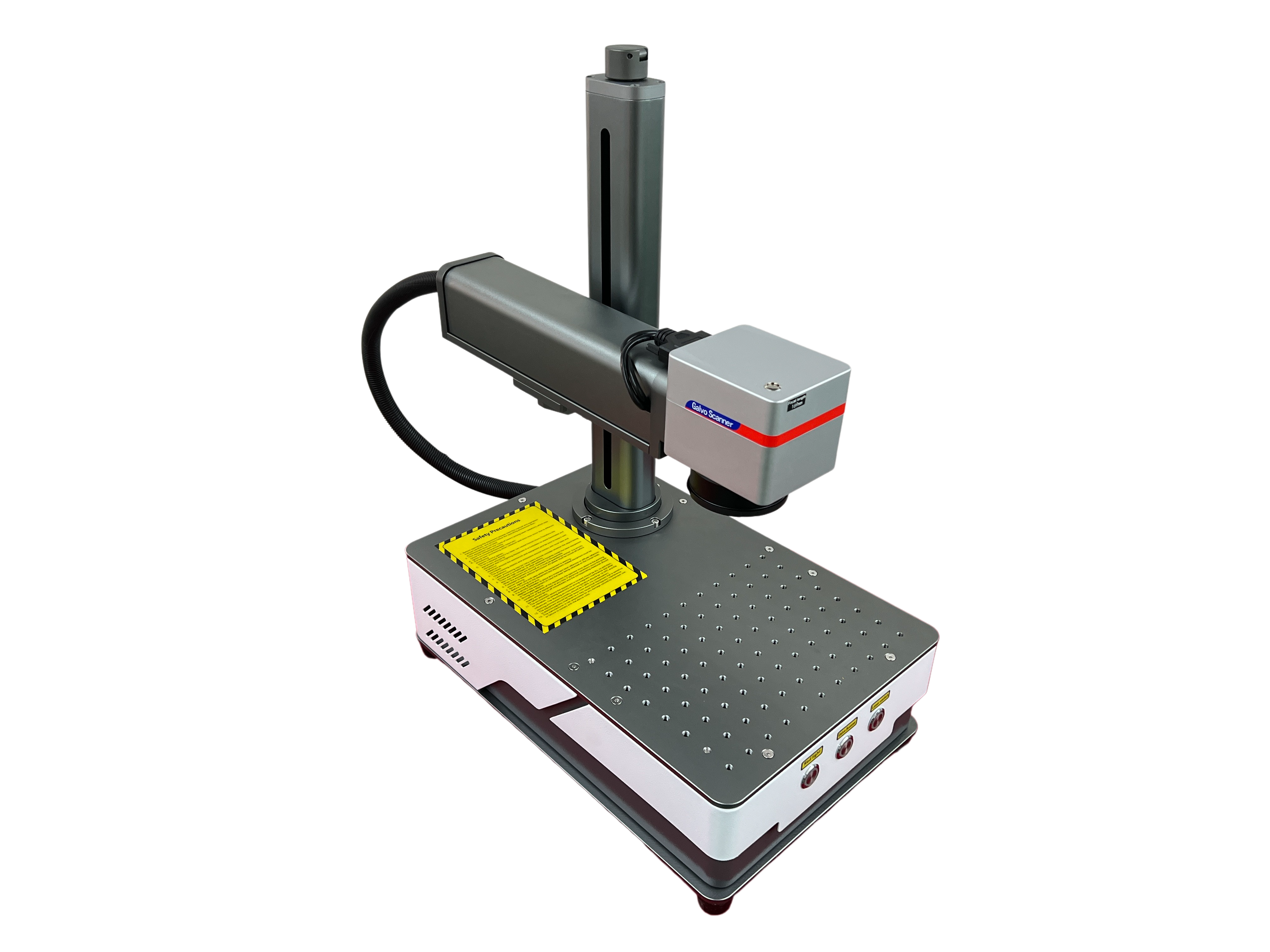
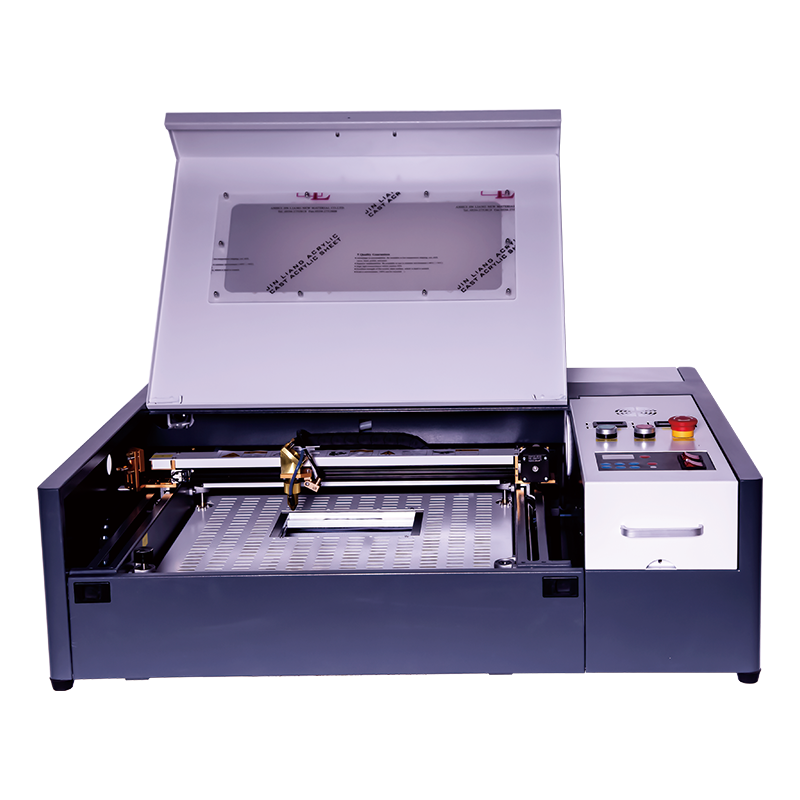
A laser engraving machine is not only an industrial device but also a teaching tool that can transform digital designs into physical creations. It perfectly aligns with the educational concept of 'connecting the digital world with the physical world' in information technology courses.
In teaching, students can first use drawing software for creative design, and then use a laser engraving machine to turn their digital designs into physical creations. This process covers several core components of information technology courses: digital design, graphic processing, parameter setting, and equipment operation, allowing students to acquire knowledge through practice.
A Powerful Tool in Maker Education
Laser engraving machines are one of the essential tools in makerspaces. They can process a variety of materials (such as wood, leather, acrylic, etc.) and help students quickly turn their creative ideas into real works.
In recent years, in various science and technology innovation competitions for primary and secondary schools, many participating students and teachers have used laser engraving technology to create exquisite works, demonstrating outstanding innovation skills and technical proficiency. These competitions not only provide a platform for teachers and students to showcase their talents but also promote the widespread application of laser engraving technology in primary and secondary education.
Teaching Practice and Application Showcase
In practical teaching applications, laser engraving machines demonstrate strong adaptability. At the elementary school level, they can be used for simple graphic design and personalized projects; at the middle school level, they can be integrated with interdisciplinary knowledge such as mathematical measurement and physical principles; at the high school level, they can be used for complex engineering projects and artistic creations.
Many schools have already established makerspaces and offered related school-based courses. Through project-based learning, students not only acquire information technology skills but also develop design thinking, engineering thinking, and innovative abilities.
Safe and reliable teaching environment
Laser engraving machines designed for educational use are usually equipped with multiple safety features, such as protective enclosures, emergency stop buttons, and automatic power-off functions, ensuring safe use in a teaching environment. The intelligent software system provides an intuitive operating interface and a rich library of teaching resources, supporting teachers in quickly getting started with instruction.
As an important part of modern educational technology, laser engraving machines have already demonstrated their unique value in cultivating students' creativity and practical skills. They are not just tools, but catalysts for inspiring creativity and bridges connecting theory with practice.
With the deepening of educational informatization, auxiliary teaching tools will play an increasingly important role in primary and secondary education. Let us look forward to the laser engraving technology bringing more possibilities to educational innovation and providing strong support for cultivating future innovative talents!
The widespread use of laser engraving machines in primary and secondary information technology education is quietly reshaping the boundaries of traditional education. They transform students from "operators in front of a screen" into "creators in the real world," turning abstract code logic and geometric shapes into tangible works amid the grains of wood or the play of light on acrylic—perhaps a bookmark engraved with the class motto, a puzzle incorporating mathematical fractal patterns, or even a small device simulating mechanical principles. This "from zero to one" creative process not only makes IT courses vivid and tangible but also plants the seed of "technology for good" in students' minds: they begin to consider how to use technology to solve everyday problems and how to design with both aesthetics and practicality.
Looking ahead, as laser engraving technology integrates with cutting-edge fields like AI design and the Internet of Things, teaching scenarios will become even more diverse: students can program the engraving paths for dynamic artistic creation, or integrate sensors to make engraved works interactive. For teachers, the laser engraving machine is not just a teaching tool but a "fulcrum" for curriculum innovation—it promotes deeper interdisciplinary teaching, allowing IT to naturally connect with art, mathematics, physics, and other subjects, truly achieving a "learn by doing, create while learning" approach.
As more and more children pick up design software and witness their creativity come to life to the "hiss" of the laser engraving machine, we have every reason to believe: these students, nurtured through hands-on practice, will ultimately become the main force in future technological innovation. The brilliance of the laser engraving machine not only illuminates the workbenches of makerspaces but also the endless possibilities for children to explore the fusion of technology and art.
Post time: 12-12-2025