Laser Marking Machines in the Plastic Industry
1. The Shift from Traditional Printing to Laser Marking
The plastic industry has long relied on traditional methods like inkjet printing, pad printing, and adhesive labels for product identification. However, these methods come with inherent limitations. Inkjet and pad printing require consumables—inks, solvents, and plates—that not only add to operational costs but also pose environmental risks due to volatile organic compounds (VOCs). Adhesive labels, on the other hand, are prone to peeling, smudging, or fading over time, especially when exposed to harsh environmental conditions. Laser marking machines, such as those developed by lambd, offer a revolutionary alternative. By using focused laser beams to alter the surface of plastic materials, laser marking creates permanent, high-contrast marks without the need for consumables. This shift not only reduces costs but also aligns with the growing demand for sustainable manufacturing practices.
2. Precision and Versatility in Plastic Marking
One of the standout advantages of laser marking machines is their exceptional precision. Whether it's engraving serial numbers on medical devices, logos on consumer electronics, or barcodes on packaging materials, laser marking delivers micron-level accuracy. This level of precision is particularly critical in industries like medical and electronics, where even the slightest deviation can render a product unusable. Additionally, laser marking machines are incredibly versatile. They can work with a wide range of plastic materials, including ABS, PVC, polycarbonate, and polyethylene, to name a few. For instance, lambd's advanced laser systems can adjust parameters like wavelength and pulse frequency to suit the specific properties of each plastic type, ensuring optimal marking quality without damaging the material.
3. Overcoming Challenges: Avoiding Melting and Burns
A common concern when marking plastics is the risk of melting or burning due to the material's sensitivity to heat. Traditional thermal processes can cause plastics to deform, discolor, or release harmful fumes. However, modern laser marking machines, particularly those equipped with UV (ultraviolet) technology, have addressed this challenge effectively. UV lasers operate at a shorter wavelength, enabling a "cold marking" process that minimizes heat generation. This ensures that even heat-sensitive plastics like polycarbonate or thin films can be marked without any thermal damage. lambd's UV laser marking systems, for example, use advanced beam control to deliver precise energy doses, creating clear, durable marks while preserving the integrity of the plastic material. This capability has made laser marking the preferred choice for industries requiring high-quality, damage-free identification.
4. Enhancing Traceability and Compliance
In today's global market, traceability and compliance are more important than ever. Regulatory bodies across industries require manufacturers to provide detailed information about their products, from manufacturing dates to material compositions. Laser marking machines play a crucial role in meeting these requirements. By creating permanent, tamper-proof marks, laser marking ensures that essential information remains legible throughout the product's lifecycle. This is particularly valuable in industries like automotive and aerospace, where parts must be traceable for safety and quality assurance purposes. Moreover, laser marking supports the implementation of unique identification codes, such as Data Matrix or QR codes, which can be linked to digital databases for real-time tracking. lambd's laser marking solutions are designed to integrate seamlessly with Industry 4.0 systems, enabling manufacturers to achieve end-to-end traceability and compliance with ease.
5. Cost-Effectiveness and Long-Term Benefits
While the initial investment in a laser marking machine may seem significant, the long-term benefits far outweigh the costs. Unlike traditional printing methods, laser marking requires no consumables, reducing ongoing operational expenses. Additionally, laser marking machines are highly durable, with minimal maintenance requirements. For example, lambd's fiber laser systems boast a lifespan of over 100,000 hours, ensuring years of reliable service. The speed and efficiency of laser marking also contribute to cost savings by increasing production throughput. Furthermore, the ability to create high-quality, permanent marks enhances product value and brand reputation, leading to increased customer satisfaction and loyalty. In the long run, investing in a laser marking machine is not just a cost-saving measure but a strategic decision that drives business growth and competitiveness.
Conclusion
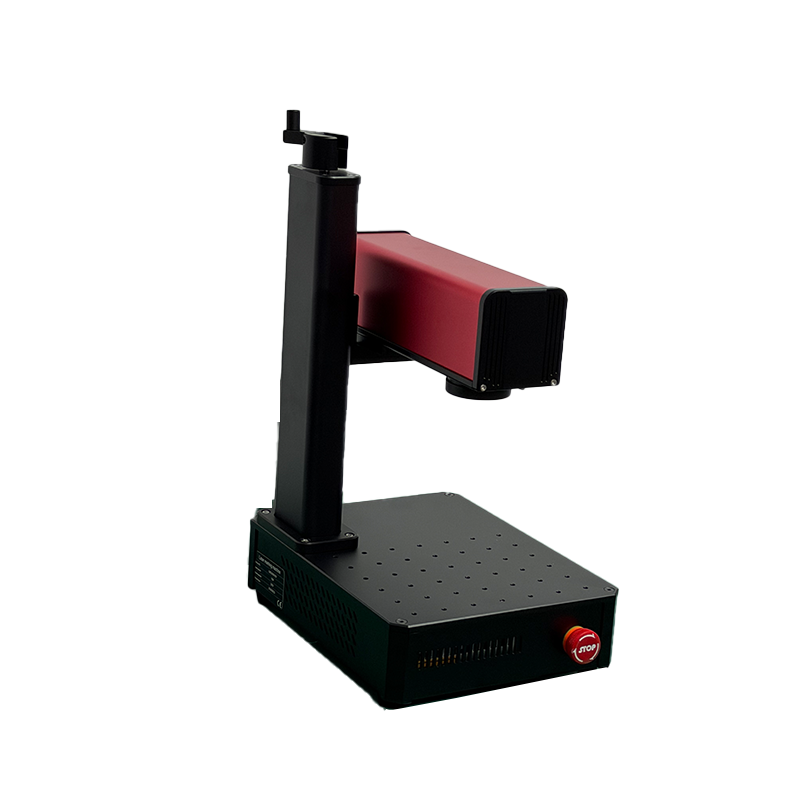
Laser marking machines have revolutionized the plastic industry by offering a precise, versatile, and sustainable solution for product identification. From overcoming the challenges of heat-sensitive materials to enhancing traceability and compliance, laser marking addresses the evolving needs of modern manufacturing. With its ability to deliver high-quality, permanent marks while reducing costs and environmental impact, laser marking has become an indispensable tool for manufacturers worldwide. As demonstrated by lambd's innovative solutions, the future of plastic marking lies in the seamless integration of advanced laser technology with smart manufacturing systems, paving the way for a more efficient, sustainable, and competitive industry.
Post time: 07-01-2026