1. The Challenge of Thermal Sensitivity in Plastics
Plastic generally melts at high temperatures. So, marking on plastic using the thermal process is tricky. The engraving often becomes uneven when molten plastic deforms. Regular lasers, such as fiber and CO2 lasers, generate heat to burn or engrave surfaces. It may cause discoloration, burning, or even deformation on delicate materials like plastics. Understanding the specific absorption rate of different polymers is crucial. For instance, darker plastics tend to absorb more energy, increasing the risk of overheating, while thinner plastics are highly susceptible to structural damage. Therefore, adjusting the laser parameters to suit the specific material properties is the first line of defense against melting and burns.
2. The Power of UV Lasers: "Cold Marking" Technology
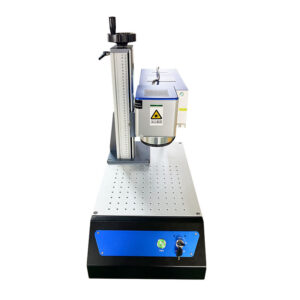
This is where UV laser marking becomes useful. This marking method uses UV light with very short wavelengths to mark plastic without generating much heat. You can also call this process "cold marking." Because of this, UV laser marking on plastic parts ensures no burning and surface damage. UV laser marking is a type of cold laser marking, which means it doesn't heat the materials much. As a result, it prevents burning, melting, or surface damage. UV laser marking typically alters the color or structure of the plastic. It directs the UV light onto the surface. The plastic surface absorbs it, altering its properties. At the moment, the surface doesn't absorb any significant heat. The UV laser marker can create highly precise, detailed marks. It can remove a thin layer of the plastic or change its chemical properties. The process is fast, clean, and repeatable. The final result is sharp, durable marks without damaging the plastic. That's why UV laser marking is ideal for marking plastic parts.
3. Parameter Optimization: Power, Speed, and Frequency
If using conventional lasers, there are many technical reasons for causing burns and damage to plastics. The first reason is the laser power. High-power lasers can cut and burn rather than simply mark plastic. Another reason is pulse duration. Longer pulses allow for higher energies and thus cause burning. The third reason is wavelength. Lasers of this type do not emit the same amount of energy or heat across different types of plastic. This results in some plastics having dark burns while others have uneven texture. Scanning speed is another reason: slower scans mean longer exposure to heat. It causes plastic to melt or become discolored. Even you cannot ignore the plastic's surface finish and thickness. Thinner plastics tend to burn easily, while darker plastics absorb more energy. For these reasons, traditional laser engraving often results in poor quality, including roughness, unevenness, or burning. However, with UV laser engraving, extremely short wavelengths and little heat are used. Hence, quality engraving is achieved.
4. Lambd Laser Solutions for Flawless Plastic Marking
Lambd laser marking systems offer advanced solutions to prevent melting and burns. By utilizing MOPA fiber laser technology, manufacturers can fine-tune pulse widths and frequencies to match the exact thermal properties of the plastic being marked. This prevents energy overload and ensures a clean interaction with the material. Additionally, Lambd integrates high-precision CCD vision systems that detect the exact position and surface characteristics of the plastic part. This allows for dynamic adjustment of the laser beam, ensuring that the marking process is perfectly adapted to the material's tolerance. Whether it is creating high-contrast logos on ABS casings or delicate serial numbers on flexible PVC films, Lambd machines deliver consistent, high-quality results without the risk of thermal damage.
5. Operational Best Practices for Heat Management
Even with advanced equipment, operational best practices are essential for avoiding melting and burns. Always perform a test mark on a scrap piece of the same plastic material before starting mass production. This allows you to observe the material's reaction to the laser and make necessary parameter adjustments. Using assist gases, such as compressed air or nitrogen, can significantly help in cooling the marking area and blowing away any vaporized particles that could reignite and cause burns. Furthermore, ensuring that the laser lens is clean and the cooling system is functioning optimally is vital. Dust or residue on the lens can scatter the laser beam, creating hot spots that damage the plastic. By combining Lambd's precision technology with these meticulous operational habits, manufacturers can achieve flawless plastic marking every time.
Conclusion: Precision Through Innovation
Laser marking on plastic requires a delicate balance of power, speed, and wavelength to avoid the pitfalls of melting and burning. While traditional thermal lasers pose significant risks to heat-sensitive polymers, modern technologies like UV "cold marking" and adjustable MOPA fiber lasers provide a safe and effective alternative. Lambd Laser remains at the forefront of this innovation, offering intelligent systems that automatically adapt to material properties, ensuring high-contrast, durable marks without compromising the structural integrity of the plastic. By embracing these advanced solutions and adhering to strict operational protocols, industries can elevate their plastic marking processes to new heights of quality and efficiency.
Post time: 06-05-2026