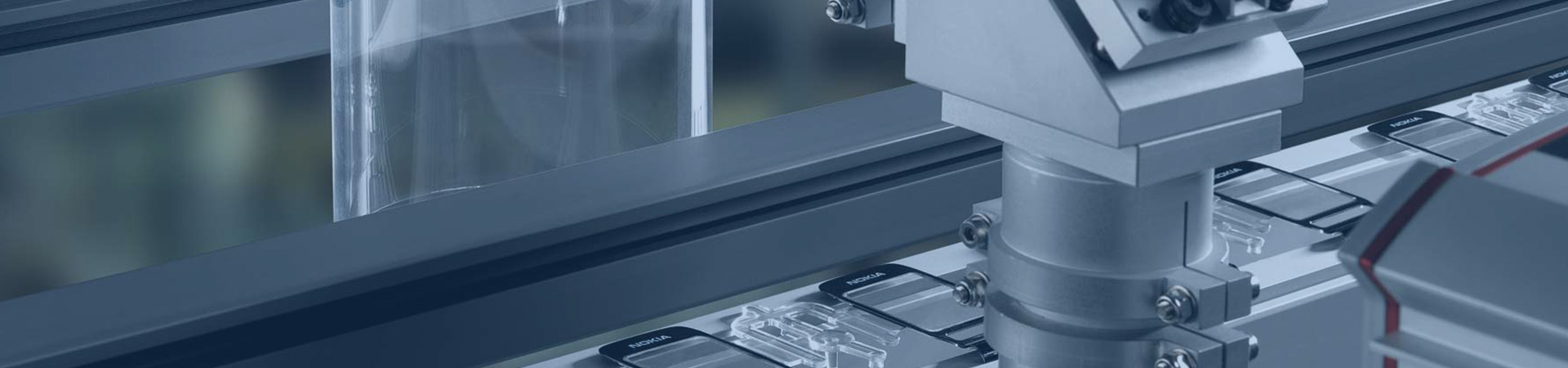
Overcome the challenges of plastic marking and unlock a high-potential market worth hundreds of millions
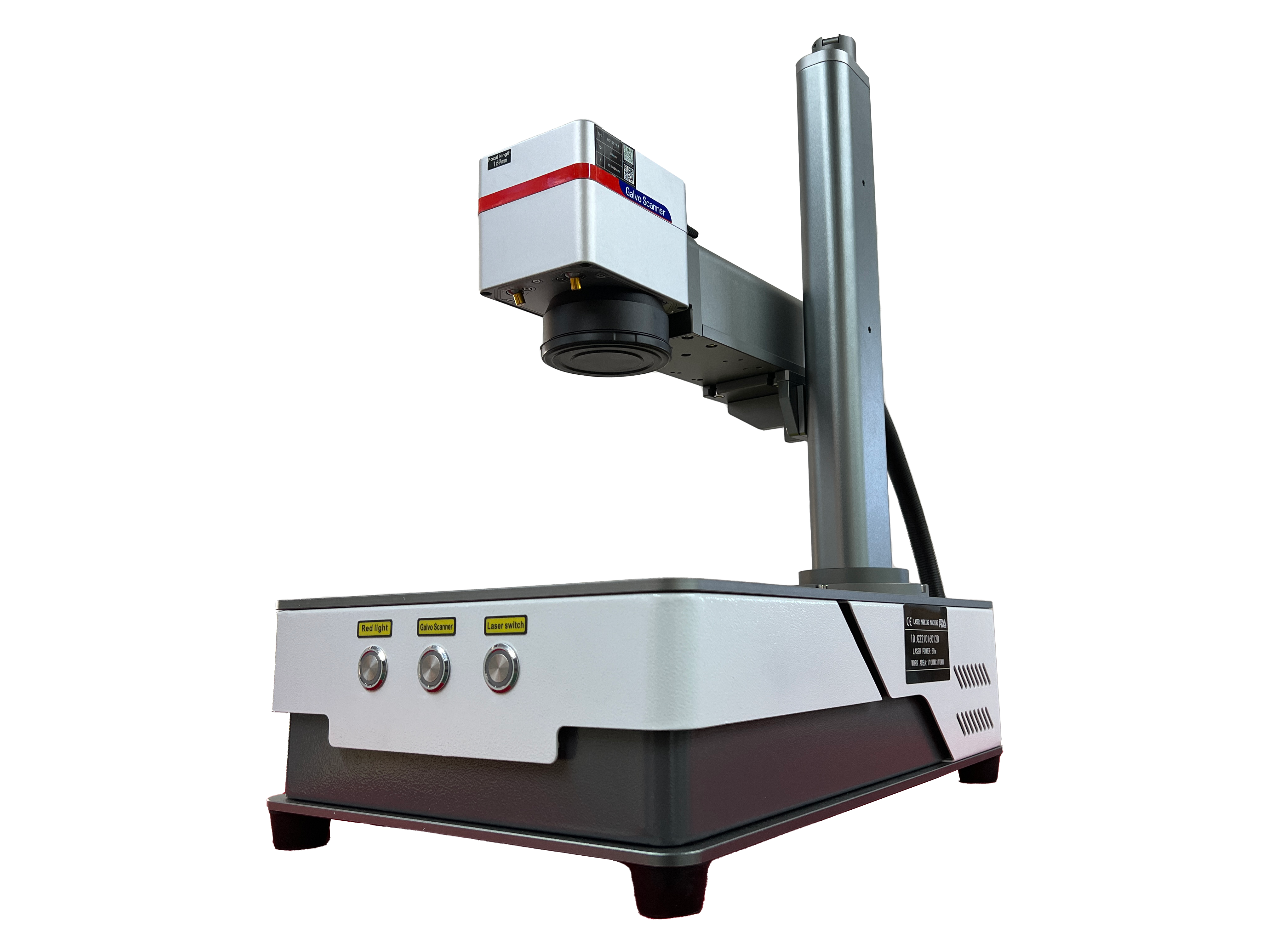
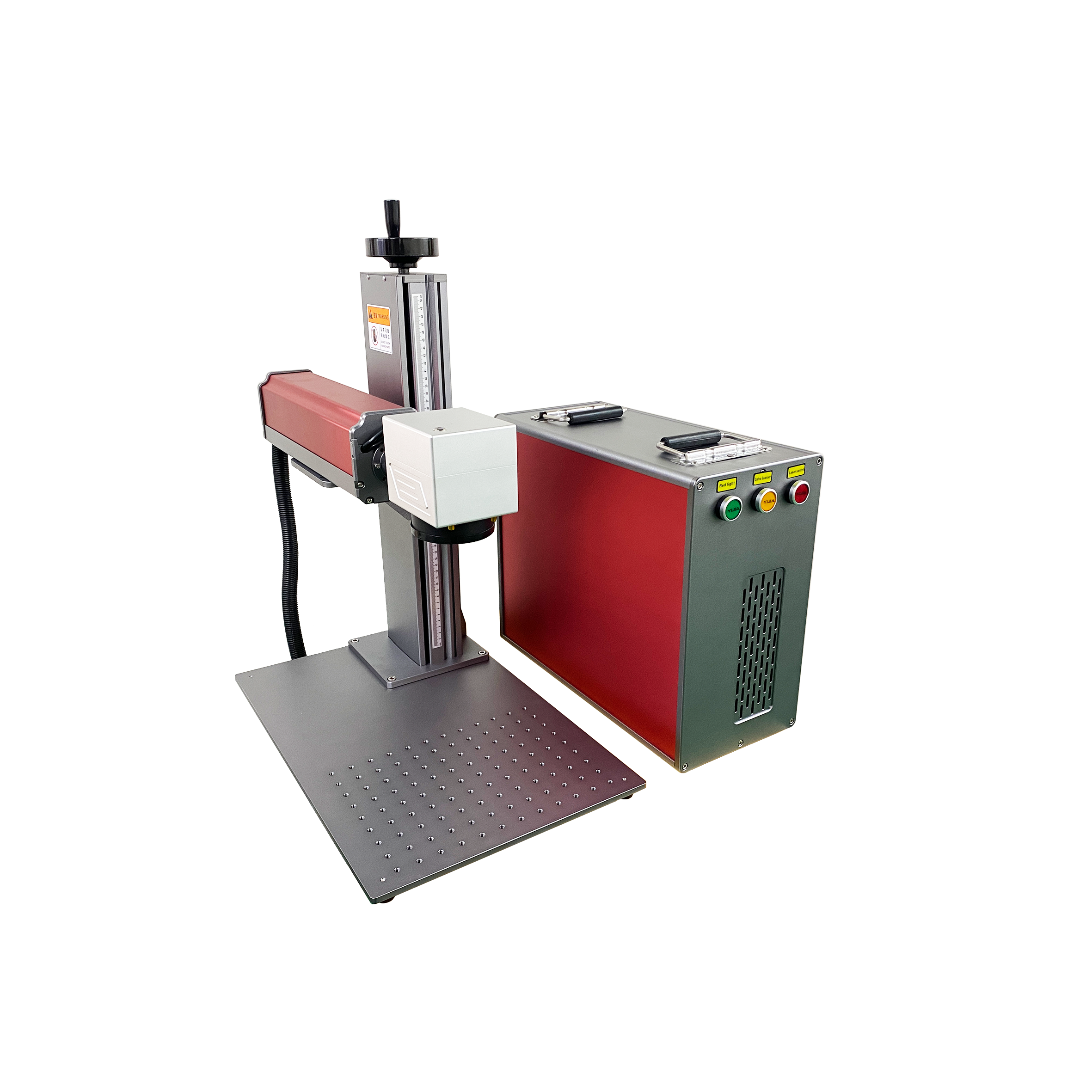
Laser marking can achieve permanent, high-precision, and tamper-resistant identification on metals, plastics, and other materials, making it an indispensable process in modern manufacturing. According to a report released by the market research firm Industry Today, the global laser marking market is expected to grow to $6.07 billion by 2032, with a compound annual growth rate of 7.64% during the forecast period.
The integrated application of automation, artificial intelligence, and IoT technologies is becoming the main driving force behind the growth of the laser marking market. These systems support real-time monitoring, which minimizes errors and enhances traceability.
Part 1 Industry Status and Transformation
The report suggests that the development of the laser marking market is driven by multiple factors. The continuous growth in demand for permanent, high-precision markings in industries such as automotive, electronics, medical devices, and aerospace has become a primary driving force. Advances in fiber laser and ultraviolet laser technologies have enabled high-speed, energy-efficient marking capabilities suitable for multiple materials.
The industry's shift toward Industry 4.0 and automation is accelerating the demand for intelligent, automated laser marking solutions. In addition, the increasing need for product anti-counterfeiting certification in the pharmaceutical, luxury, and electronics sectors continues to inject sustained momentum into market expansion.
Technological innovations such as artificial intelligence, machine learning, and high-speed lasers have profoundly changed the performance and functionality of laser marking systems and have become the core driving forces behind the advancement of laser marking technology. Currently, systems can achieve real-time optimization, allowing equipment to autonomously adjust and self-optimize based on operational data. This type of automation technology not only improves production efficiency but also reduces reliance on continuous human intervention, significantly lowering operational costs.
At the same time, smart materials are emerging as a highly promising frontier in the field of laser marking. These materials can change their properties in response to external stimuli, opening up new possibilities for customized applications. For example, self-healing materials are expected to completely transform product design, making products more durable and sustainable by reducing maintenance requirements.
The rapid development of laser systems is equally transformative. High-speed lasers capable of printing 2,000 characters per second are setting new industry benchmarks. These innovative technologies continuously enhance production speed and output efficiency, making previously time-consuming workflows faster and more efficient.
Part 2 Constraints and Challenges
Although the laser marking market has predictable growth potential, it still faces numerous challenges. Material limitations restrict the application of fiber lasers on highly reflective or transparent surfaces such as glass and certain plastics, necessitating the use of other technologies like ultraviolet lasers or carbon dioxide lasers.
Safety issues are also limiting factors. High-energy laser operations require strict adherence to protection protocols and must be handled by trained professionals, making it difficult to implement in small facilities. Additionally, the shortage of skilled technicians and the increasing complexity of multi-material high-speed marking systems also hinder market growth.
Besides material and safety factors, instability in the marking process and differences in marking quality also restrict its large-scale application in the industrial sector.
Part 4 Future Market Outlook
With advances in laser technology, the market is expected to expand significantly. Fiber lasers currently hold a 42.5% market share due to their efficiency, durability, and low maintenance. In the future, ultraviolet lasers are expected to achieve the fastest growth, particularly in medical, electronics, and pharmaceutical sectors where precise, non-thermal marking is required.
The development of electric vehicles and battery manufacturing will further drive demand for precise labeling of battery cells, modules, and packs. The Asia-Pacific region, led by China, Japan, South Korea, and India, is expected to become the fastest-growing area, supported by rapid industrialization, adoption of smart manufacturing technologies, and government initiatives promoting digitalization.
At the same time, sustainability is becoming a key driving force in the evolution of laser marking technology. Manufacturers are striving to reduce their environmental impact through eco-friendly practices. The laser marking industry is transitioning to a sustainable model by focusing on energy-efficient systems and reducing dependence on harmful chemicals.
Furthermore, the industry is working to reduce system energy consumption. Technological innovations allow laser equipment to maintain stable performance while significantly lowering energy use. This shift is crucial as industries worldwide strive to reduce their carbon footprint in response to increasingly stringent environmental regulations.
Post time: 12-17-2025